Dutch to buy tanks for more than $1 billion, add Kongsberg air defense
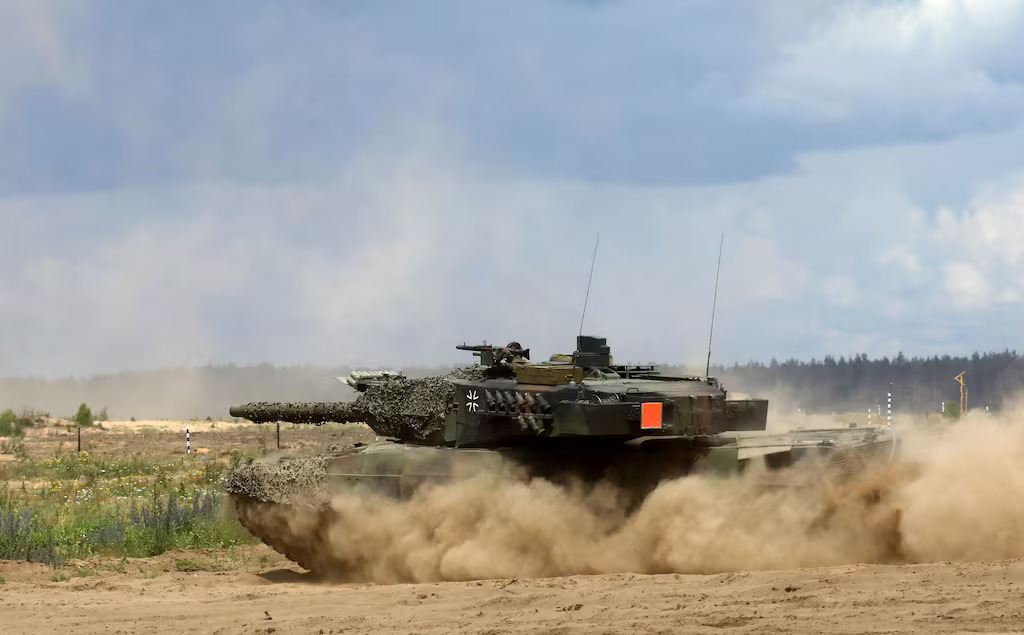
Dutch to buy tanks for more than $1 billion, add Kongsberg air defense In a significant step to bolster its military capabilities, the Netherlands has announced plans to purchase 46 Leopard 2A8 tanks for over €1 billion (approximately $1.1 billion). This decision comes just ten years after selling its last tanks to Finland and highlights a renewed commitment to a robust defense strategy in response to increasing tensions with Russia. Alongside the tank acquisition, the Dutch government is also investing in air defense by acquiring four short-range and six medium-range missile defense batteries from Norway’s Kongsberg. This deal is valued at around 11 billion Norwegian kroner ($1 billion) and represents a dual approach to enhancing the Netherlands’ military deterrence and operational readiness. State Secretary for Defence Gijs Tuinman emphasized the critical role of tanks in modern warfare, noting that the ongoing conflict in Ukraine has reinforced their relevance. “The war in Ukraine shows that battle tanks are of undiminished importance in modern conflict,” he stated in a letter to parliament. The planned reintroduction of a full-fledged tank battalion aligns with NATO’s objectives, ensuring that the Netherlands meets its defense commitments. The purchase includes an option for six additional tanks and emphasizes the integration of unmanned systems to complement the manned tanks. This aims to create a modern and capable ground force by 2030. The Dutch Ministry of Defence is actively developing these unmanned capabilities, with plans to finalize requirements by the end of next year. In addition to the tank acquisition, the Netherlands is set to procure advanced missile defense systems to safeguard against aerial threats. The National Advanced Surface-to-Air Missile System (NASAMS) and the National Maneuver Air Defence System (NOMADS) will provide robust protection against aircraft and drones, enhancing national security. As the Netherlands navigates this pivotal moment in its defense strategy, it is clear that a renewed focus on heavy armor and air defense capabilities is crucial. This investment not only demonstrates the country’s commitment to military readiness but also its dedication to supporting NATO’s collective defense efforts. With an estimated budget of €1 billion to €2.5 billion for the tank battalion and a separate budget of €2.58 billion for the air-defense project, the Dutch military is poised for a significant upgrade. As new technologies emerge and operational needs evolve, the Netherlands is taking proactive steps to ensure its armed forces are equipped for future challenges. This partnership with Kongsberg, along with the emphasis on modern combat vehicles, signifies a forward-thinking approach that will enhance the Netherlands’ role in regional security. The coming years will be crucial for the Dutch military as it embarks on this journey to restore its heavy armor capabilities and reinforce its defense posture in a rapidly changing global landscape.
Indian Air Force Successfully Completes Exercise Eastern Bridge VII At RAFO Masirah
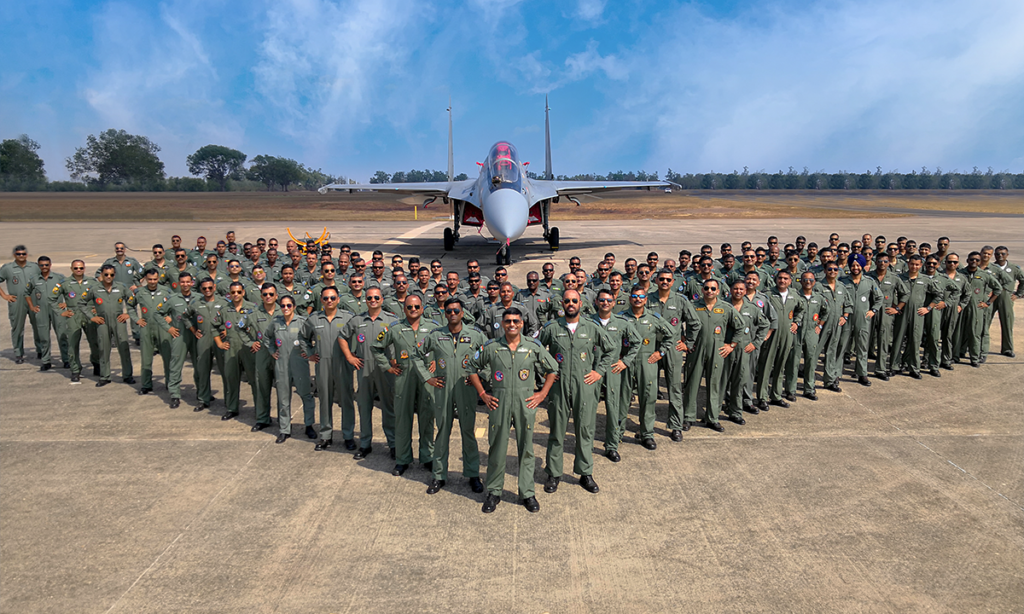
Indian Air Force Successfully Completes Exercise Eastern Bridge VII At RAFO Masirah The Indian Air Force (IAF) has recently achieved a notable milestone by successfully concluding Exercise Eastern Bridge VII, conducted in partnership with the Royal Air Force of Oman (RAFO) at the RAFO airbase in Masirah. This exercise represents an essential step in strengthening the diplomatic and military relationship between India and Oman. As the IAF contingent returns home, they bring back valuable operational experience gained through rigorous training missions. The event featured advanced aircraft, including the MiG-29 and Jaguar from the IAF, alongside the F-16 and Hawk from RAFO, showcasing the potential for robust collaboration between these two formidable air forces. The primary goal of Exercise Eastern Bridge VII was to enhance military cooperation and improve interoperability between the IAF and RAFO. The exercise included various complex air operations, such as air-to-air combat drills and mission scenarios aimed at refining the strategic and tactical capabilities of both forces. The insights gained by IAF personnel into RAFO’s tactics and operational philosophies significantly contributed to the development of enhanced combat strategies, setting a new standard for future joint exercises. Beyond the tactical aspects, Eastern Bridge VII also prioritized building camaraderie and mutual respect among the participants from both forces. Joint briefings, debriefings, and cultural exchanges fostered a spirit of cooperation, allowing Indian and Omani personnel to establish professional connections. This interaction not only deepened individual understanding but also strengthened the collaborative dynamics essential for effective military teamwork. The successful conclusion of Exercise Eastern Bridge VII underscores the commitment of both India and Oman to maintain regional peace and security. Throughout the exercise, the two air forces demonstrated their collective ability to operate synergistically in diverse operational scenarios. Given the complex and evolving security landscape, the preparedness displayed during this training reinforces their readiness to confront emerging challenges together. Through Exercise Eastern Bridge VII, the IAF and RAFO have set a solid foundation for future collaborations. Both air forces are enthusiastic about continuing this tradition of joint exercises, aiming for even more sophisticated engagements that will enhance operational strategies and strengthen inter-force relationships. As both nations move forward, the spirit of cooperation cultivated during this exercise will undoubtedly play a vital role in preserving stability and fostering peace in the region.
Adani Defence & EDGE Group Join Forces for Global Defence Innovation
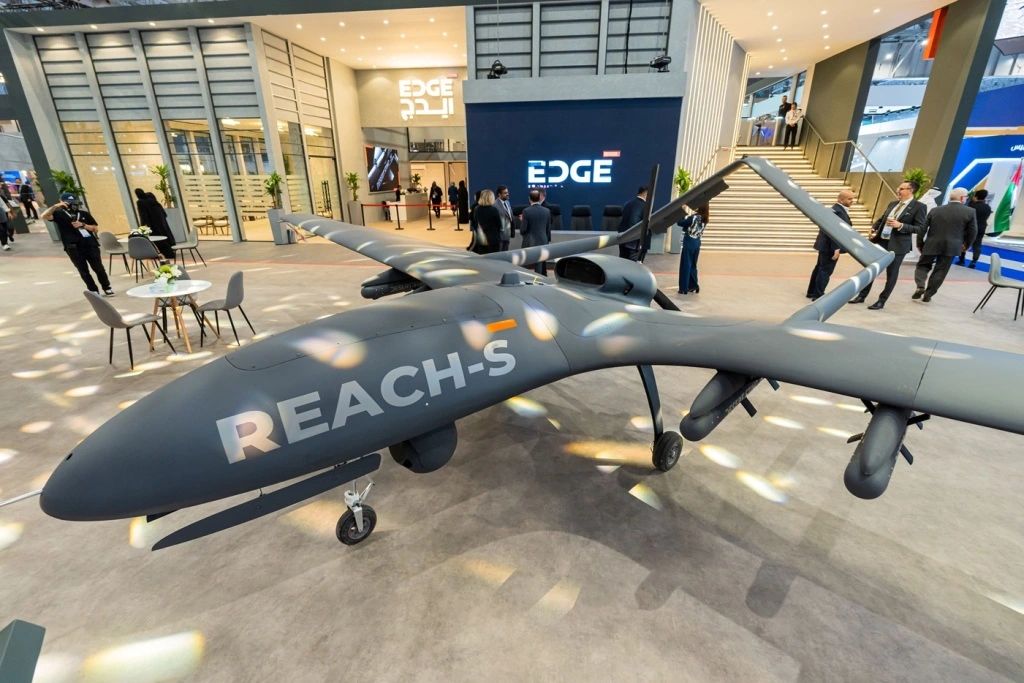
Adani Defence & EDGE Group Join Forces for Global Defence Innovation In a significant move for defense collaboration, Adani Defence & Aerospace has entered a groundbreaking agreement with EDGE Group, a leading technology and defense organization in the UAE. This partnership aims to create a global platform that leverages the strengths of both companies, integrating their diverse product portfolios to meet the needs of local and international clients. This collaboration is a testament to their shared commitment to enhancing defense capabilities and fostering technological innovation. It encompasses several core domains, including missiles and weapons systems, unmanned aerial vehicles, electronic warfare, and cyber technologies. By combining their expertise, Adani and EDGE are poised to revolutionize the defense landscape, effectively addressing emerging demands and evolving security challenges. Importantly, the agreement also includes plans to establish research and development facilities in both India and the UAE. These facilities will not only bolster technological capabilities but also promote innovation in defense solutions tailored for Southeast Asia and beyond. Establishing development, production, and maintenance centers is a strategic initiative to ensure both companies can effectively serve their respective markets while positioning themselves as key players on the global stage. Ashish Rajvanshi, CEO of Adani Defence & Aerospace, expressed his enthusiasm for the partnership, stating, “Our collaboration marks the beginning of a new era in enhancing defense capabilities. It emphasizes our commitment to advancing technological prowess and promoting bilateral defense cooperation between India and the UAE.” This sentiment reflects the forward-looking vision both companies share, highlighting the potential for groundbreaking advancements in defense technology and capabilities. As global security dynamics evolve, the collaboration between Adani Defence and EDGE Group is set to create a strong foundation for innovation and operational excellence. By leveraging their combined strengths, the two companies aim to address complex defense requirements and enhance regional security, reaffirming their commitment to technological advancement. In conclusion, this cooperation agreement represents a significant milestone in the defense sector, paving the way for enhanced collaboration, research, and development. With the establishment of a global platform, Adani Defence and EDGE Group are poised to redefine the future of defense technology, ensuring they remain at the forefront of the industry while effectively serving their customers’ needs. As they embark on this exciting journey, the potential for groundbreaking advancements in defense solutions promises to shape the future of security and defense worldwide.
Rheinmetall, Leonardo pitch new Italy tank pact as a model for Europe
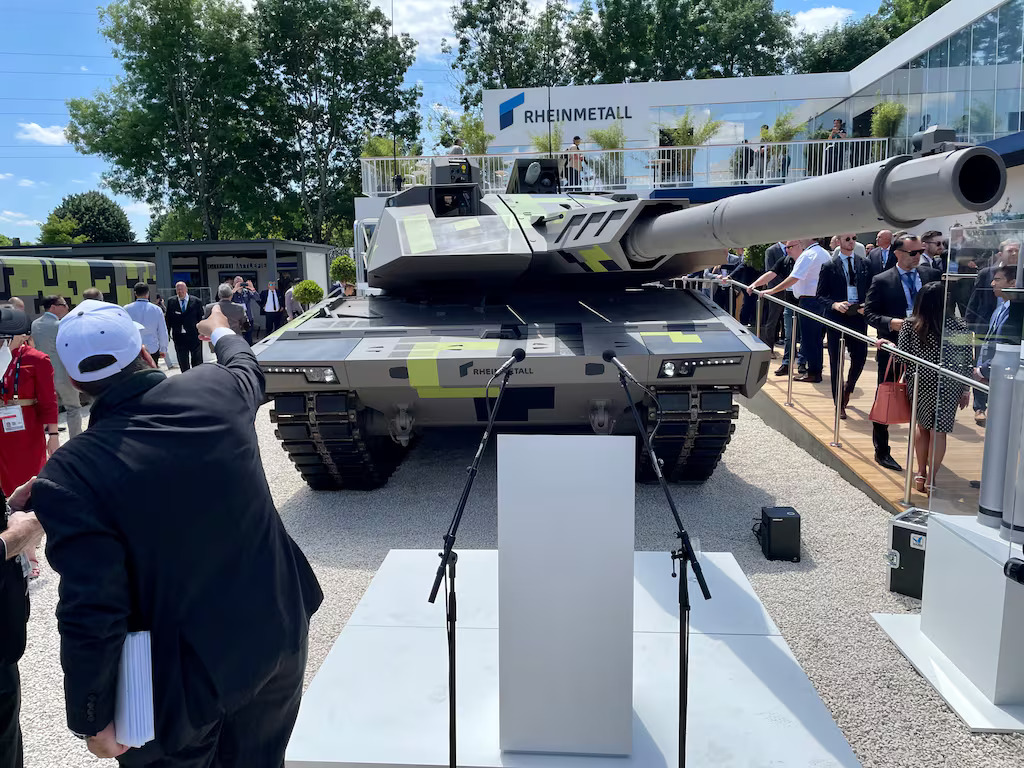
Rheinmetall, Leonardo pitch new Italy tank pact as a model for Europe ROME — Rheinmetall and Leonardo have announced that they will deliver a new infantry fighting vehicle to the Italian army within two years and a new main battle tank within three years. This announcement marks the establishment of a joint venture between the two companies. The venture, called Leonardo Rheinmetall Military Vehicles (LRMV), will be a 50-50 partnership, with its headquarters in Rome and operational offices located in La Spezia, Italy’s hub for ground vehicle manufacturing. This joint venture aims to meet the Italian army’s needs for modern combat vehicles, with Leonardo handling 50% of the work, Rheinmetall in Germany taking 40%, and the remaining 10% coming from Rheinmetall’s Italian facilities. Described as a “new European nucleus for the development and production of military combat vehicles,” this collaboration stems from a memorandum of understanding signed in July. It follows the breakdown of previous plans involving Leonardo and KNDS, as the Franco-German consortium hesitated to accommodate Leonardo’s workshare requests. At a press conference in Rome, Leonardo CEO Roberto Cingolani emphasized the necessity for European companies to unite and lead governments toward industrial integration, even if it means sacrificing a bit of their domestic market. “We hope this partnership will be a stepping stone for a safer Europe,” he stated. Rheinmetall CEO Armin Papperger added that the negotiations were completed in just 3-4 months, reflecting a rapid agreement. The deal entails the production of 1,050 new infantry fighting vehicles for the Italian army, based on the Rheinmetall Lynx, set to replace the aging Dardo vehicles. With plans for 16 different versions, the first vehicle is expected to be delivered in two years. This ambitious program is projected to cost €15 billion ($16.4 billion) and run until 2040. Additionally, Rheinmetall’s upcoming Panther KF51 will be the foundation for a new main battle tank, which will replace Italy’s Ariete tanks. The agreement includes supplying 132 tanks as part of an €8 billion program running until 2035, with the first tank anticipated in about two to three years. Papperger mentioned that a 130mm gun could be available within three years if the Italian government requests it. When asked why Leonardo ended discussions with KNDS about supplying the Italian army with the Leopard, Cingolani explained that KNDS could only commit to delivering the first tank in five years. In their statement, the companies noted that Leonardo will be responsible for the mission systems, electronic suites, and weapons for the vehicles destined for the Italian army. Papperger shared that a brief discussion with Cingolani about combining Rheinmetall’s platforms with Leonardo’s digital capabilities quickly led to the partnership. “The compatibility with Rheinmetall was immediately apparent,” Cingolani remarked. Cingolani believes that these new vehicles will likely be among the most advanced in the world, noting their export potential. “While we primarily focus on the Italian market, we also aim to assist partner nations looking to modernize their combat systems,” he said, highlighting that many of the world’s 5,000 main battle tanks are over 35 years old. He further predicted that the joint venture could generate annual revenues between €2 billion and €4 billion, with a profitability margin around 15%. Cingolani indicated that networking these new vehicles will open up further business opportunities. “These machines will communicate with satellites, supercomputers, and other platforms, allowing us to develop and integrate new technologies,” he added. Papperger confirmed that this partnership with Leonardo will not affect Rheinmetall’s commitment to developing a new European tank with KNDS, which is expected to be ready by 2040. “Given the current global conflicts, there is an urgent need for infantry fighting vehicles and tanks in the next decade,” he stated. He reassured that the European tank program “is a separate initiative and remains very much alive.” Tractebel is Owner’s Engineer on this major sustainability project GIGA Storage Belgium recently signed an agreement with Tractebel as Owners Engineer, and the Stadsbader-Sweco joint venture as the construction team. Stadsbader Group will oversee the structural part of the works and Sweco Belgium will be responsible for the engineering of the future battery park. As Owner’s Engineer, Tractebel’s multi-disciplinary team of experts will provide technical support to GIGA Storage Belgium. Our experts bring their specific know-how of BESS projects, such as battery, grid connection, fire protection, civil works and electrical throughout the Green Turtle project development, starting with the design phase, first crucial step of the implementation.